Category: Automobile

Cost Saving Benefits Are Clear With Reconditioned Engines

Reconditioned engines provide a practical and efficient solution for reducing overall vehicle maintenance and replacement costs. By restoring existing engine components instead of replacing the entire unit, they offer a cost-effective alternative without compromising performance. These engines deliver dependable functionality while helping users manage expenses more efficiently over time.

Reduced Replacement Costs for Vehicle Owners

One of the most significant benefits of reconditioned engines is the reduction in replacement expenses. Instead of investing in a completely new engine, restoration offers a more affordable yet reliable option.

  • Lower replacement costs compared to new engines.
  • Reuse of existing components reduces expenses.
  • Efficient restoration minimizes financial burden.
  • Affordable solutions support budget management.
  • Cost savings improve long-term value.

Affordable Maintenance and Repair Efficiency

Reconditioned engines are designed to minimize frequent repair needs, which helps reduce ongoing maintenance costs. Their restored condition ensures smoother operation and fewer mechanical issues.

  • Fewer repairs reduce maintenance expenses.
  • Restored parts improve reliability.
  • Efficient performance lowers service frequency.
  • Durable components minimize breakdown risks.
  • Simplified maintenance improves cost efficiency.

Extended Engine Lifespan Value

Another important advantage is the extended lifespan achieved through professional reconditioning. This allows users to maximize value from their existing engine investment.

  • Improved durability extends engine life.
  • Rebuilt systems enhance long-term performance.
  • Strengthened components reduce wear and tear.
  • Extended usage improves cost-effectiveness.
  • Reliable operation increases value retention.

Fuel Efficiency and Operational Savings

Reconditioned engines are often optimized for better fuel efficiency, contributing to ongoing savings in daily operation. Improved combustion and performance tuning support reduced fuel consumption.

  • Optimized engines improve fuel efficiency.
  • Smooth operation reduces fuel wastage.
  • Balanced performance enhances economy.
  • Efficient combustion lowers operational costs.
  • Better tuning improves overall savings.

Sustainable and Economical Choice

Choosing reconditioned engines supports sustainability while also delivering economic benefits. By reusing materials and reducing waste, they offer an environmentally responsible solution.

  • Reuse of parts reduces material waste.
  • Sustainable approach supports eco-friendly practices.
  • Efficient rebuilding minimizes resource consumption.
  • Economical solution benefits long-term use.
  • Reduced waste improves environmental impact.

Quality Assurance and Reliable Performance

Each reconditioned engine undergoes strict testing to ensure it meets performance standards. This guarantees dependable operation while maintaining cost advantages.

  • Performance testing ensures reliability.
  • Quality checks improve engine consistency.
  • Stress testing identifies potential issues.
  • Final inspection ensures readiness.
  • Verified performance enhances trust.

Smart Investment in Engine Restoration

Reconditioned engines represent a smart financial decision for those seeking reliable performance at reduced cost. Advanced restoration techniques ensure high-quality results and dependable functionality. The growing demand for Hyun Engines reflects the increasing recognition of cost-efficient and durable engine solutions.

  • Smart investment reduces financial strain.
  • Advanced restoration improves quality.
  • Reliable output ensures value retention.
  • Cost-effective solutions enhance affordability.
  • Long-term benefits increase satisfaction.

Cost saving benefits are clear with reconditioned engines as they combine affordability, durability, and efficiency. These engines provide a practical solution for reducing expenses while maintaining reliable performance and long-term value in vehicle operation.

Mobile Auto Repair Services Offer Convenient On-Site Vehicle Solutions

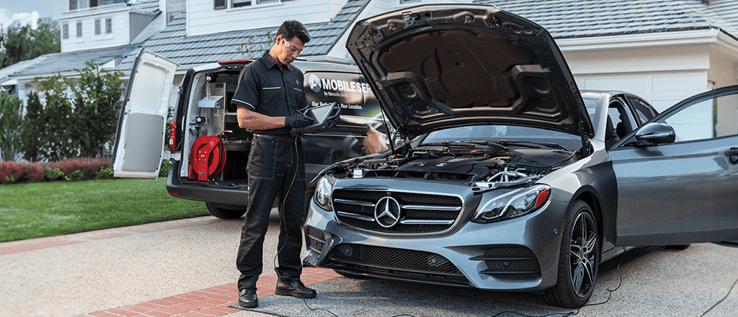
Mobile auto repair services have transformed the way vehicle maintenance and repairs are handled by offering convenient on-site solutions for drivers. Instead of visiting a traditional workshop, customers can now receive professional assistance at their preferred location. This modern approach to automotive care focuses on efficiency, flexibility, and customer comfort, making vehicle maintenance easier and more accessible than ever before.

Growing Demand For On-Site Automotive Care

As lifestyles become busier, vehicle owners increasingly prefer services that save time and reduce inconvenience. Mobile auto repair services meet this demand by bringing skilled technicians directly to the customer.

Key reasons for growing popularity include:

  • Time-saving repair and maintenance options
  • Elimination of workshop waiting times
  • On-location service at home, office, or roadside
  • Flexible scheduling based on customer convenience
  • Faster response for minor vehicle issues

This shift in service delivery has made vehicle care more practical and efficient.

Convenient Solutions For Everyday Vehicle Problems

Care Repair Services

Mobile auto repair services are designed to handle a wide range of common vehicle issues without requiring a workshop visit. This ensures drivers can quickly resolve problems and continue their daily activities with minimal disruption.

Common on-site services include:

  • Battery replacement and jump-start assistance
  • Brake inspection and minor repairs
  • Oil changes and fluid top-ups
  • Tire repair and replacement services
  • Diagnostic checks for warning lights

These services help maintain vehicle performance while reducing downtime for the owner.

Professional Expertise Delivered Anywhere

One of the key strengths of mobile auto repair services is the availability of skilled technicians who bring professional tools and expertise directly to the customer’s location. This ensures high-quality service without compromising standards.

Important benefits of professional on-site service include:

  • Trained and certified automotive technicians
  • Advanced diagnostic equipment on mobile units
  • Accurate problem identification and repair
  • Reliable service quality comparable to workshops
  • Transparent and efficient repair processes

This combination of expertise and mobility ensures dependable vehicle care wherever needed.

Enhanced Convenience And Time Efficiency

Mobile auto repair services are designed to simplify the vehicle maintenance experience. By removing the need for travel and waiting, they provide a highly convenient solution for busy individuals.

Key convenience advantages include:

  • No need to visit physical repair shops
  • Reduced downtime for vehicle owners
  • Flexible appointment scheduling options
  • On-demand service availability in many areas
  • Quick response for urgent repair needs

This level of convenience makes vehicle maintenance more accessible and stress-free.

Technology Improving Mobile Repair Services

Modern mobile auto repair services benefit greatly from advancements in automotive technology and digital communication. These improvements enhance service efficiency and customer satisfaction.

Key technological contributions include:

  • Digital appointment booking systems
  • Real-time service tracking and updates
  • Advanced vehicle diagnostic tools
  • Mobile payment and invoicing systems
  • Improved communication between technicians and customers

These innovations ensure smoother operations and more reliable service delivery. Vehicle owners rely on Paintless dent repair Kansas City for fast and efficient dent removal.

Cost-Effective Vehicle Maintenance Option

In many cases, mobile auto repair services can offer a cost-effective alternative to traditional workshops. By reducing overhead costs and improving efficiency, these services provide value without compromising quality.

Cost-related benefits include:

  • Reduced towing expenses
  • Transparent pricing structures
  • Lower operational overhead costs
  • Efficient repair time management
  • Prevention of major repairs through early diagnosis

This makes mobile services an attractive option for many vehicle owners.

Conclusion

Mobile auto repair services offer convenient on-site vehicle solutions that prioritize accessibility, efficiency, and professional care. By bringing expert technicians directly to the customer, these services simplify vehicle maintenance and reduce downtime. With the support of modern technology, flexible scheduling, and reliable expertise, mobile auto repair continues to redefine automotive care and provide a highly convenient solution for today’s busy lifestyles.

Premium vs Budget Tyres: What You’re Actually Paying For

Buying tyres is one of those decisions that feels boring right up until it isn’t. Because when the road turns slick, when you have to brake hard for someone doing something stupid, or when your steering feels vague at highway speeds… tyres stop being “rubber rings” and start being the only part of the car that matters.

So yes, price matters. But price alone is a lousy way to choose.


 Hot take: cheap tyres aren’t “bad”, but they’re rarely the best deal

I’ve seen budget tyres behave perfectly fine on commuter cars driven gently. I’ve also seen them go greasy in heat, feel numb in the wet, and wear in weird patterns when alignment isn’t perfect. Premium tyres don’t magically break physics, but they usually give you a wider safety margin and more consistency across time, temperature, and abuse, which is why it helps to compare premium and budget tyre brands before making a call.

Consistency is the word people skip, and it’s basically the whole game.


 What changes between premium and budget? (It’s not just branding)

Think of tyre tiers like this:

Premium: engineered for predictable performance across a wider range of conditions, with tighter manufacturing tolerances

Budget: engineered to hit a price point while still meeting legal standards, with simpler materials and less “headroom” in extremes

That shows up in a few places.


 Compounds: silica, polymers, and heat behavior

Premium tyres often use more advanced compound recipes (silica blends, functionalized polymers, additive packages that manage heat and flexibility). The benefit isn’t marketing sparkle; it’s how the tyre behaves when it’s cold, when it’s hot, and when it’s halfway through its life.

Budget tyres tend to use more basic recipes. They can grip fine in normal conditions, then fall off faster when pushed or when temps swing hard.


 Construction: belts, sidewalls, uniformity

Some tyres feel “rounder” and calmer on the road. That’s not your imagination. Better uniformity (how evenly the tyre is built) reduces vibration, helps contact patch stability, and improves wear.

Premium brands generally spend more effort and cost on:

– carcass design and belt package tuning

– sidewall reinforcement choices

– process control (batch-to-batch repeatability)

Budget tyres can be totally serviceable, but you’re more likely to run into variability between sets, or a tyre that needs extra weight to balance (not always, but often enough).

One-line truth:

You don’t feel a tyre’s spec sheet, you feel its compromises.


 Real performance: grip is obvious, but braking is the part that bites

Here’s the thing: people talk about “grip” like it’s one number. It isn’t. Wet braking, dry braking, lateral grip, aquaplaning resistance, heat fade, and steering response all live in the same neighborhood but they’re not roommates.

A concrete reference point: Consumer Reports’ tyre testing has repeatedly shown meaningful differences in wet braking distance between top-rated and lower-tier tyres (sometimes enough to change the outcome of an emergency stop). Source: Consumer Reports Tyre Ratings & Test Methodology (consumerreports.org).

Is that difference always dramatic? No.

Is it sometimes the difference between a near-miss and a dented bumper? Yep.


 Wet roads don’t negotiate

If you live somewhere rainy, tyre choice is less about “performance driving” and more about basic risk management. Premium tyres usually hold onto wet grip longer as they wear, partly because of compound quality and partly because tread design tends to be better optimized (void ratio, siping strategy, water evacuation channels).


 Dry grip is nice; predictable behavior is nicer

I’m opinionated on this: a tyre that gives you clear feedback as it approaches the limit is worth money. A lot of budget tyres don’t “talk” much. They feel fine… then they don’t.


 Wear and total cost: the math that actually matters

Upfront pricing is simple. Ownership cost isn’t.

A practical way I tell people to compare tyres is:

Cost per mile (or km) = (Tyre price + expected alignment/rotation annoyance + fuel penalty) / expected real-world mileage

That middle part matters because tyres don’t live in a lab. If a budget tyre wears unevenly because its construction is less tolerant of slight alignment issues, it can turn “cheap” into “replace early.”

Premium tyres often:

– wear more evenly over time

– maintain rolling resistance more consistently as they age

– keep their wet performance longer into tread life

Budget tyres often:

– look great on day one

– show more performance drop-off mid-life

– can be noisier as they wear (pattern noise and block movement)

Now, this won’t apply to everyone, but if you do lots of highway miles, premium touring tyres can quietly pay you back. If you do mostly short urban trips at low speeds, savings on upfront cost can be very real.


 Rolling resistance and fuel use (yes, it’s real, but don’t expect miracles)

Lower rolling resistance can improve fuel economy, especially at steady speeds. Premium tyres are more likely to deliver a measurable edge because they’re engineered for it, and because they can reduce energy loss in the compound and casing.

But look, don’t buy tyres expecting a magic fuel hack. Think of it as a small efficiency bonus that stacks on top of better braking and stability.


 Warranties: don’t get hypnotized by big mileage numbers

Some budget brands throw huge treadwear warranties at the wall. Premium brands do it too. The trap is the fine print.

When you compare warranty terms, check:

– required rotation intervals and documentation

– pro-rated replacement math

– exclusions for uneven wear (alignment, suspension wear, inflation issues)

– road hazard coverage details (if included at all)

I’ve seen people “have a warranty” and still get denied because rotations weren’t logged perfectly. Annoying, but common.


 Matching the tyre tier to the car (and your habits)

This part doesn’t need poetry. It needs honesty.


 If you drive an SUV or carry loads

Heavier vehicles punish tyres. Sidewalls matter more. Heat management matters more. I lean premium here more often because the penalty for a tyre that gets squirmy or overheats is bigger.


 If you drive a basic commuter car and you’re gentle

A good budget tyre can be a rational choice. Not the cheapest no-name you found at 11 p.m. online. A decent budget line with real testing behind it.


 If you drive fast, brake late, or live in wet/cold conditions

Premium starts looking less like “luxury” and more like correct equipment. Cold and wet expose compound weaknesses fast.

Short section, blunt answer:

If you routinely ask a lot of your tyres, don’t bargain-shop.


 A framework that works (because vibes aren’t a strategy)

I’d do this on a notepad before buying:

1) Define your top 3 priorities

Wet braking? Noise? Mileage? Comfort? Price?

2) Pick two premium candidates and two budget candidates

Not twenty. You’ll drown in tabs.

3) Compare on measurable specs and independent tests

EU tyre label (where available), UTQG (with caution), and independent test results.

4) Score them

Weight what matters to you. If wet braking is life-or-death where you live, score it like it is.

5) Compute rough cost per mile/km

Use realistic mileage expectations based on your driving, not the happiest review online.

A tiny rubric example (keep it simple):

– Wet braking: 30%

– Dry handling: 15%

– Noise/comfort: 15%

– Wear life: 25%

– Price: 15%

Change the weights. Make it yours.


 The part people don’t like hearing

Premium tyres don’t just buy you performance. They buy you fewer surprises.

And budget tyres don’t just save you money. They often charge you back in smaller currencies: extra noise, less confidence in heavy rain, earlier replacement, or that slightly “off” steering feel you can’t quite diagnose.

If you want a clean rule of thumb from someone who’s watched tyres make or break cars:

Spend for premium when conditions are hard or the vehicle is demanding. Save with budget when your driving is mild and your expectations are realistic (and you’re disciplined about pressures and rotations).

That’s the trade. It’s not glamorous, but it’s true.

Lease a used car providing comfort, value, and driving flexibility

Leasing a used car has become an increasingly attractive option for individuals seeking a balanced combination of comfort, value, and driving flexibility. Instead of committing to long-term ownership costs, drivers can enjoy a well-maintained vehicle with predictable monthly expenses and reduced financial pressure. This approach makes modern mobility more accessible and stress free, especially for those who prefer convenience without sacrificing quality. A used car lease offers a practical solution that aligns with everyday commuting needs, weekend travel plans, and changing lifestyle demands while still maintaining a high level of driving satisfaction and reliability. Customers often choose  Lease used Citroën C1  for compact and fuel-efficient driving.

Comfort in Every Journey

One of the key advantages of leasing a used car is the enhanced comfort it brings to daily driving. Vehicles available under lease arrangements are typically well-inspected and maintained to ensure smooth performance and enjoyable rides.

  • Cushioned interiors and ergonomic seating designed to support long-distance comfort and reduce driving fatigue
  • Smooth engine performance that ensures quiet operation and a relaxed driving experience on all roads
  • Advanced climate control systems that maintain ideal cabin temperature in varying weather conditions
  • Regular servicing and quality checks that help ensure consistent comfort and dependable performance

Together these features create a comfortable driving experience that makes leasing a used car an appealing and practical mobility choice for everyday modern users everywhere

Exceptional Value Without Ownership Burden

Leasing a used car provides excellent value by reducing the financial burden associated with full vehicle ownership. This option allows drivers to access reliable transportation without large upfront costs or long-term maintenance worries.

  • Lower monthly payments compared to traditional ownership make budgeting easier and more predictable for individuals and families alike overall benefit
  • Reduced repair and maintenance responsibilities help drivers save money while enjoying consistent vehicle performance throughout the lease period smooth experience
  • Access to modern features in well-maintained vehicles enhances convenience, safety, and overall satisfaction during daily commutes and travel experiences included always
  • Flexible leasing terms ensure users can upgrade or change vehicles easily, adapting to lifestyle or work requirements with minimal effort needed

Driving Flexibility for Modern Lifestyles

Flexibility is one of the strongest benefits of leasing a used car, allowing drivers to adapt quickly to changing needs. Whether for short-term use, business requirements, or personal travel, leasing offers freedom and convenience in every situation.

  • Short lease options enable easy transitions between vehicles without long commitments or complicated ownership procedures included always flexible
  • Ability to choose different models over time helps drivers match vehicles with evolving lifestyle needs and preferences very easily done
  • Hassle-free return and upgrade processes make leasing convenient for users who value flexibility in transportation choices highly beneficial option today
  • Ideal for changing routines such as relocation, job shifts, or travel plans requiring adaptable transportation solutions at any time

Conclusion: A Smarter Way to Drive

Leasing a used car brings together comfort, value, and flexibility in one practical solution. It supports modern drivers who want dependable transportation without long-term obligations. With predictable costs, enhanced comfort, and adaptable terms, it stands as a smart choice for efficient and enjoyable mobility.

How Long Does It Take to Import a Car from Japan?

Importing a car from Japan is an exciting process that combines careful planning, logistics, and anticipation. While the exact timeline can vary depending on several factors, the process is generally smooth and well-structured. Understanding each stage helps set realistic expectations and ensures a positive experience from start to finish.

Typical Timeframe Overview

On average, importing a car from Japan can take 4 to 12 weeks. This duration depends on shipping schedules, paperwork processing, and customs clearance in the destination country. Understanding timelines helps buyers plan better when asking how long does it take to import a car from Japan, ensuring a smooth and organized process.

Key Stages of the Import Process

  1. Vehicle Selection and Purchase (3–7 days)
  • Choosing the right car is often quick due to the wide availability of options
  • Once selected, payment and documentation are handled efficiently
  • Export arrangements begin immediately after confirmation
  1. Export Preparation (5–10 days)
  • The vehicle undergoes inspection and compliance checks
  • Export certificates and ownership documents are prepared
  • The car is booked for shipment on the next available vessel
  1. Shipping Time (2–6 weeks)
  • Transit time depends on the destination country and port
  • Direct routes are faster, while indirect routes may take longer
  • Weather and port traffic can occasionally affect schedules

Shipping duration examples:

  • Nearby regions: 2–3 weeks
  • Mid-distance destinations: 3–5 weeks
  • Farther regions: 4–6 weeks
  1. Customs Clearance and Delivery (5–10 days)
  • Import duties and taxes are assessed and processed
  • Local inspections ensure compliance with regulations
  • Final delivery or pickup is arranged smoothly

Factors That Can Influence the Timeline

Several elements can impact how quickly the process is completed:

  • Shipping route availability – More frequent routes reduce waiting time
  • Port efficiency – Busy ports may take slightly longer to process arrivals
  • Documentation accuracy – Correct paperwork speeds up approvals
  • Seasonal demand – High shipping seasons can extend timelines
  • Inspection requirements – Some countries require additional checks

Tips to Ensure a Faster Import Process

  • Prepare all necessary documents in advance
  • Stay responsive during communication and approvals
  • Choose shipping schedules that align with your timeline
  • Double-check import regulations in your country
  • Work with experienced professionals for smooth coordination

Why the Process Is Worth the Wait

Despite the timeline, importing a car from Japan offers several advantages:

  • Access to well-maintained and high-quality vehicles
  • Competitive pricing compared to local markets
  • A wide selection of models and specifications
  • Reliable export systems that ensure transparency
  • Strong attention to detail in inspections and documentation

Importing a car from Japan is a structured and rewarding journey that typically takes a few weeks from purchase to delivery. Each step is designed to ensure quality, compliance, and safety, making the wait worthwhile. With proper preparation and a clear understanding of the process, you can enjoy a seamless experience and look forward to receiving your vehicle with confidence.

Enhanced Scratch Resistance Delivered By Innovative Paint Protection Film Technology

Modern vehicle care has evolved significantly, with advanced paint protection film (PPF) technology leading the way in preserving surface perfection. Designed to safeguard exterior finishes, this innovation offers remarkable resistance against scratches, abrasions, and everyday wear; ensuring vehicles maintain a flawless appearance for longer periods.

What Makes Paint Protection Film Highly Effective?

Paint protection film is engineered using multi-layered materials that combine flexibility with durability. This structure enables it to absorb impacts and resist damage from external elements.

Key features include:

  • Elastic composition that adapts to surface contours
  • Transparent finish that maintains original paint aesthetics
  • Strong adhesion without compromising paint integrity
  • Resistance to minor abrasions and swirl marks
  • Long-lasting clarity without yellowing

Advanced Scratch Resistance Capabilities

One of the most impressive qualities of modern PPF technology is its enhanced scratch resistance. The film acts as a protective barrier, preventing direct contact between the paint and harmful objects. Clear interfaces and logical navigation help users quickly adapt to clearpro, reducing learning time and increasing overall productivity levels.

How it protects surfaces:

  • Shields against light scratches from debris and dust
  • Reduces visible damage from accidental contact
  • Minimizes wear caused by repeated cleaning
  • Provides a buffer against environmental friction

Self-Healing Properties for Continuous Protection

Innovative formulations now include self-healing capabilities, allowing the film to recover from minor surface damage automatically.

Benefits of self-healing technology:

  • Heat-activated repair of fine scratches
  • Restoration of smooth, glossy finish
  • Reduced need for frequent maintenance
  • Extended lifespan of the protective layer

Resistance to Environmental Factors

Beyond scratch protection, PPF technology offers excellent resistance to various environmental challenges that can degrade vehicle surfaces over time.

Protection against:

  • Ultraviolet exposure that causes fading
  • Road contaminants such as dirt and grime
  • Chemical stains from pollutants
  • Water spots and oxidation

Enhanced Visual Appeal

Maintaining a pristine look is just as important as protection. Paint protection film enhances the visual quality of surfaces without altering their original design.

Visual advantages include:

  • High-gloss or satin finish options
  • Seamless, nearly invisible application
  • Preservation of color depth and shine
  • Smooth texture that enhances reflection

Easy Maintenance and Longevity

Vehicles protected with advanced PPF technology require less intensive care, making maintenance more convenient while ensuring long-term results.

Maintenance benefits:

  • Easier cleaning due to smooth surface
  • Reduced need for polishing or repainting
  • Durable performance over extended periods
  • Consistent appearance with minimal effort

A Smart Investment in Surface Protection

Choosing innovative paint protection film technology is a proactive approach to preserving value and appearance. With its superior scratch resistance, self-healing properties, and environmental durability, it delivers a reliable solution for maintaining surfaces in pristine condition.

This advancement represents a blend of science and practicality, offering user’s confidence that their surfaces remain protected, polished, and visually striking over time.

Boost Daily Driving Using Smooth Aftermarket Car Parts Components

Enjoying a seamless and comfortable driving experience often depends on the quality of the car parts installed. Smooth aftermarket car parts components are designed to improve your vehicle’s performance, enhance comfort, and ensure reliability over time. By choosing the right parts, drivers can enjoy smoother acceleration, better handling, and quieter rides without compromising safety. Whether upgrading suspension, brakes, or engine components, these parts help maintain optimal vehicle function while making daily driving more enjoyable. Understanding the benefits and proper installation methods ensures long-lasting performance and keeps your car operating efficiently. Online catalogs help buyers compare multiple tail light assembly options based on compatibility and design preferences.

Key Benefits of Smooth Aftermarket Car Parts Components

  • Enhanced Driving Comfort: Smooth components reduce vibrations and bumps, making every journey more pleasant.
  • Better Vehicle Handling: Upgraded suspension and steering parts improve control, especially on uneven roads.
  • Reliable Performance: Quality aftermarket parts maintain consistent performance for longer periods.
  • Cost-Effective Upgrades: These parts often provide better value than frequent repairs or replacements.

Popular Components for Daily Driving Upgrades

  1. Suspension Systems: Replacing worn-out shocks or struts with smooth aftermarket options ensures a softer ride and improved handling.
  2. Brake Components: Upgraded brake pads and rotors reduce stopping distance and provide smoother braking.
  3. Engine Parts: Components like air filters, fuel injectors, and ignition systems contribute to smoother acceleration and consistent power delivery.
  4. Steering Components: Bushings, tie rods, and rack-and-pinion parts improve steering responsiveness and reduce play.

Tips for Choosing the Right Aftermarket Parts

  • Check Compatibility: Ensure parts match your vehicle’s make, model, and year.
  • Prioritize Quality: Opt for components made from durable materials to avoid frequent replacements.
  • Seek Professional Advice: Mechanics or automotive specialists can recommend parts that best suit your driving style.
  • Read Reviews: Customer feedback can help gauge reliability and performance before purchase.

Installation and Maintenance

Proper installation is key to maximizing the benefits of aftermarket components. Always follow manufacturer instructions or have a certified professional handle installation. Regular maintenance, such as checking torque settings, inspecting bushings, and cleaning engine parts, helps maintain smooth operation. Scheduled maintenance not only prolongs the life of the components but also ensures safety on the road. Enthusiasts appreciate fast shipping when buying classic car body parts china for their restoration projects.

Smooth aftermarket car parts components are an excellent way to boost daily driving experiences. They offer improved comfort, enhanced handling, and dependable performance while keeping maintenance costs manageable. Selecting high-quality parts, ensuring proper installation, and maintaining them regularly will transform ordinary driving into a consistently enjoyable experience. Investing in these components allows drivers to feel the difference on every road, making each journey safer and more pleasurable.

How Economy Car Rentals Provide Affordable Access to Reliable Transportation

Finding dependable transportation without spending too much money is important for many people. Economy car rentals offer a practical and affordable way to get around whether for a short trip, daily errands, or special occasions. These rentals provide access to reliable vehicles without the long-term costs of owning a car. By choosing economy car rentals, travelers and locals alike can enjoy the freedom of mobility without breaking their budgets.

Affordable Costs Without Sacrificing Quality

Economy car rentals focus on providing low-cost options that do not compromise on vehicle reliability. These cars are generally smaller, fuel-efficient models that cost less to rent and maintain. Because the cars use less gas and have lower rental fees, customers can save a significant amount on transportation.

  • Lower daily rental rates compared to larger or luxury vehicles
  • Better fuel efficiency reduces overall trip costs
  • Minimal maintenance costs passed on through affordable pricing

Flexible Rental Periods for Convenience

One of the biggest benefits of economy rent a car dubai is the flexibility they offer. Renters can choose short-term or long-term rentals based on their needs. Whether someone needs a car for a day, a week, or longer, economy rentals make it easy to access a vehicle without a big commitment.

  • Daily, weekly, or monthly rental options to fit any schedule
  • Easy booking and pickup processes
  • No need for long-term contracts or ownership expenses

Car Rental

Access to Reliable Vehicles

Economy car rental companies maintain their fleets regularly to ensure customers receive safe and reliable cars. This attention to upkeep means renters can trust their vehicles will not break down or cause inconvenience during their trips.

  • Regular inspections and servicing for all cars
  • Modern, well-maintained vehicles with up-to-date features
  • Roadside assistance options available with most rentals

Ideal for Various Transportation Needs

Economy car rentals are not just for travelers. They also serve local residents who need temporary transportation without buying a car. This can include people whose personal vehicles are being repaired, students, or those visiting family and friends.

  • Provides cost-effective transportation for locals and tourists
  • Perfect for business trips, errands, or vacations
  • Offers an option to avoid depreciation and insurance costs tied to car ownership

Additional Benefits of Economy Car Rentals

Besides affordability and reliability, economy rentals often come with other perks that add value for customers:

  • Insurance coverage options to protect renters and vehicles
  • Ability to choose pick-up and drop-off locations for convenience
  • Availability of additional features like GPS or child seats for safety and comfort

Why Economy Car Rentals Make Sense

  • Cost-effective transportation with low rental fees and fuel savings
  • Flexible rental terms suitable for short or long use
  • Reliable, well-maintained vehicles for peace of mind
  • Convenient access for travelers and locals alike
  • Extra benefits like insurance and add-ons included

Economy car rentals provide a smart, affordable solution for anyone needing reliable transportation without the financial burden of car ownership. They combine convenience, cost savings, and quality service to make getting around easier for all.

Smart Sensor Manufacturing – Shaping the Future of Industrial Automation

Smart sensor manufacturing is revolutionizing the landscape of industrial automation, positioning itself as a cornerstone for enhanced efficiency, productivity, and innovation. These sensors, equipped with advanced technologies such as artificial intelligence, Internet of Things IoT connectivity, and data analytics capabilities, are transforming traditional manufacturing processes into intelligent, responsive systems. By enabling real-time monitoring and data collection, smart sensors facilitate the seamless integration of machines, equipment, and systems, ultimately fostering a more agile and adaptable manufacturing environment. At the heart of this transformation is the ability of smart sensors to collect and analyze vast amounts of data. This data is instrumental in identifying patterns, optimizing processes, and predicting equipment failures before they occur. For instance, predictive maintenance, powered by smart sensors, allows manufacturers to schedule maintenance activities based on actual wear and tear rather than relying on fixed schedules. This not only minimizes downtime but also significantly reduces maintenance costs, thereby enhancing operational efficiency.

Furthermore, the integration of smart sensors with IoT technologies is enabling a new level of connectivity across manufacturing facilities. Machines equipped with these sensors can communicate with each other, sharing data and insights that lead to improved decision-making. This interconnectedness is crucial for optimizing supply chains, managing inventory levels, and ensuring that production schedules are aligned with real-time demand fluctuations. For example, smart sensors can monitor inventory levels in real-time, triggering automatic reordering processes when stock levels fall below predefined thresholds. This not only streamlines operations but also helps in maintaining optimal inventory levels, reducing wastage and ensuring timely delivery of products. The implementation of smart sensors also plays a significant role in enhancing workplace safety. These sensors can monitor environmental conditions, such as temperature, humidity, and air quality, alerting personnel to any potential hazards. Additionally, Omch can be employed to track worker movements and ensure compliance with safety protocols, creating a safer work environment. By proactively addressing safety concerns, manufacturers can reduce workplace accidents, ensuring the well-being of their employees while also minimizing associated costs.

As industries continue to evolve, the demand for smart sensor manufacturing is expected to grow exponentially. This growth is driven by the increasing emphasis on sustainability and energy efficiency in manufacturing processes. Smart sensors can monitor energy consumption and optimize resource usage, allowing manufacturers to implement sustainable practices that not only benefit the environment but also lead to significant cost savings and you can obtain more help from https://www.omchsmps.com/de/. In conclusion, smart sensor manufacturing is reshaping the future of industrial automation, offering a myriad of benefits that enhance operational efficiency, safety, and sustainability. As technology advances and more industries embrace this transformative shift, smart sensors will undoubtedly play a pivotal role in driving innovation and competitiveness in the manufacturing sector. By harnessing the power of data, connectivity, and intelligent analytics, manufacturers can navigate the complexities of modern production environments and thrive in an increasingly automated world.

The Role of Auto Repair Services in Preventing Common Vehicle Problems and Failures

Auto repair services are crucial for maintaining vehicle reliability and safety. Regular maintenance and timely repairs can prevent many vehicle problems and failures, ensuring that cars operate smoothly and safely. Here is an overview of how auto repair services play a vital role in preventing these issues:

Routine Maintenance and Inspections

Routine maintenance is one of the most effective ways to prevent vehicle problems. Auto repair services offer scheduled vehicle maintenance checks, such as oil changes, tire rotations, and fluid replacements, which are essential for keeping a vehicle in top condition. Regular oil changes, for example, help to keep the engine lubricated, preventing excessive wear and potential breakdowns. Tire rotations and alignments ensure even tire wear and optimal handling, reducing the risk of blowouts and improving safety.

Addressing Warning Signs Early

Vehicles often give early warning signs of potential problems, such as unusual noises, vibrations, or dashboard warning lights. Auto repair services are equipped to diagnose these issues before they escalate into more severe problems. By addressing warning signs early, repair services can prevent minor issues from developing into major repairs, saving vehicle owners time and money. For instance, a slight squeaking noise from the brakes could indicate worn brake pads, which, if left unchecked, might lead to more significant brake system damage.

Auto Repair Service

Preventive Repairs and Upgrades

Preventive repairs involve addressing components before they fail. Auto repair professionals can identify parts that are nearing the end of their lifespan and recommend replacements or upgrades. This proactive approach helps to avoid unexpected breakdowns and extends the life of the vehicle. For example, replacing a worn-out timing belt before it breaks can prevent engine damage and costly repairs. Additionally, upgrading components like the suspension system or transmission fluid can enhance the vehicle’s performance and reliability.

Specialized Services for Different Vehicle Types

Different vehicles have unique maintenance and repair needs based on their make and model. Auto repair services often specialize in specific types of vehicles, such as domestic, foreign, or luxury cars, ensuring that repairs are carried out according to the manufacturer’s specifications. Specialized technicians are knowledgeable about the particular needs of different vehicles, which helps in preventing issues that could arise from incorrect repairs or maintenance.

Enhancing Vehicle Longevity

Regular auto repair services contribute to the overall longevity of a vehicle. By keeping up with maintenance schedules and addressing issues promptly, vehicle owners can avoid premature wear and tear. This not only ensures that the vehicle remains in good working condition but also helps maintain its value over time. A well-maintained vehicle is less likely to experience major failures, reducing the frequency and cost of repairs.

Auto repair services play an essential role in preventing common vehicle problems and failures. Through routine maintenance, early detection of issues, preventive repairs, and specialized services, these professionals help to ensure that vehicles remain reliable, safe, and efficient. By investing in regular auto repair services, vehicle owners can enjoy a smoother, safer driving experience and extend the life of their vehicles.